
Learn How (and why) Wildlife Is Caught and Collared
You may not see many of the wildlife species that live near you. Many furbearers, especially carnivores, are nocturnal, well camouflaged and have sharp senses and a natural fear of people. So how do biologists study these elusive species?

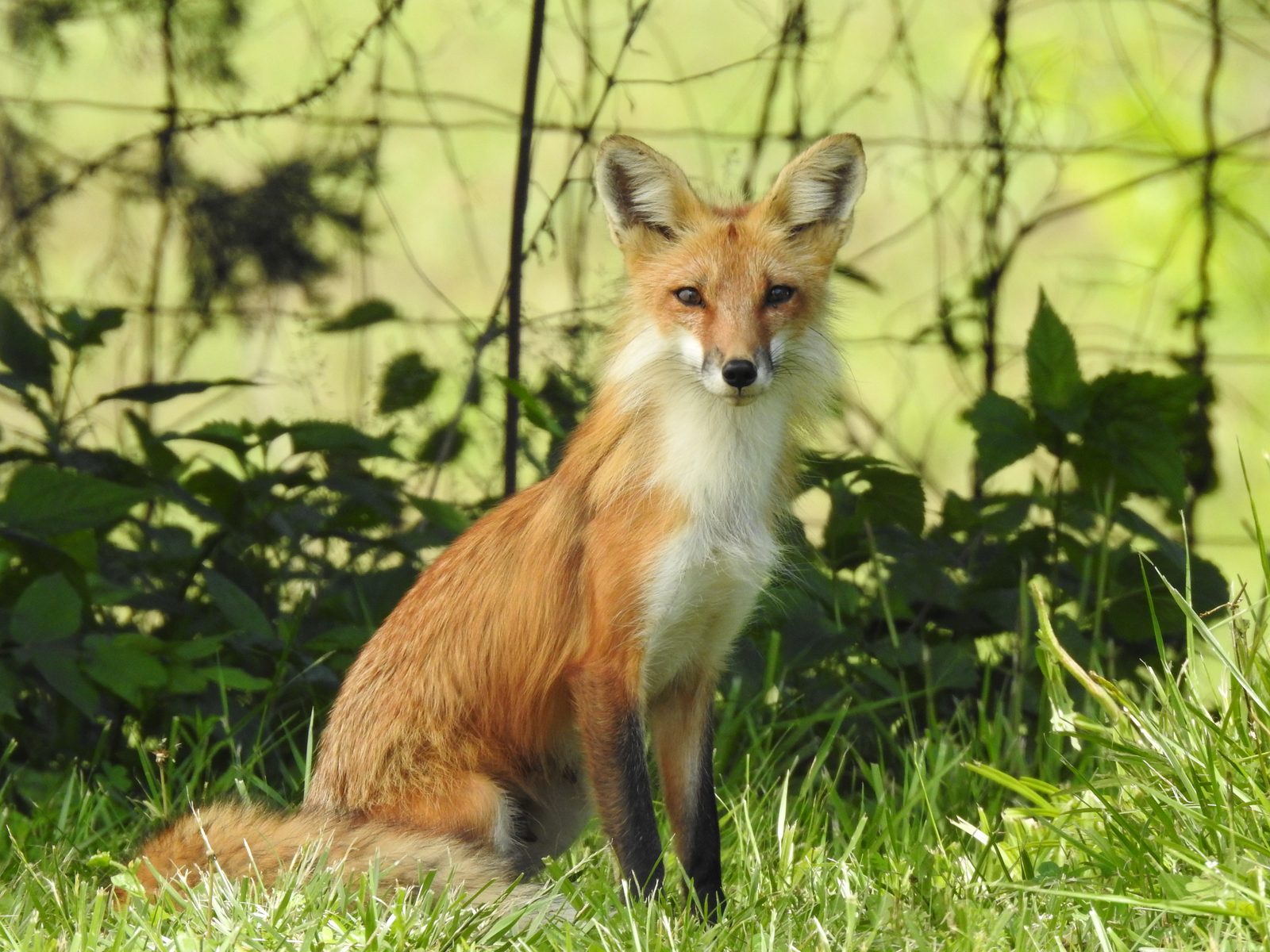
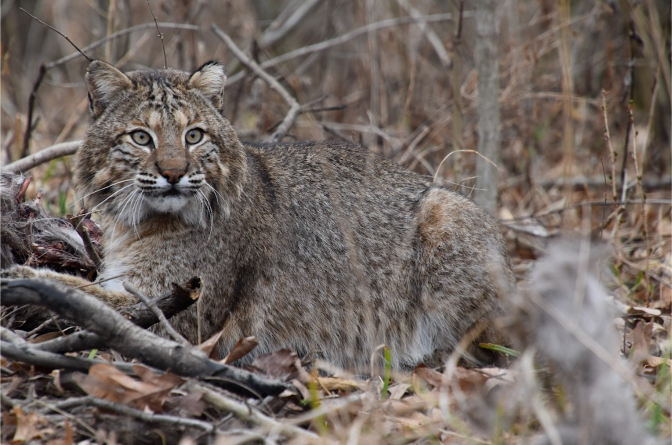
The coyotes, bobcats, and red foxes you’ll learn about on Critter Track are live trapped so that they can be fitted with tracking collars. The animals were mostly caught with foothold traps and were released unharmed. Trapping is an activity that is often misunderstood and misrepresented. When done correctly, trapping is a safe, effective and humane way to capture wildlife. The traps and trapping methods used to catch the animals shown on Critter Track were tested by wildlife biologists, trappers and veterinarians to make sure that they are safe and effective through the Best Management Practices (BMP) process. It is important to know a few things about trapping:
- The kinds of wildlife that are trapped are abundant–regulated trapping does not cause wildlife to become endangered.
- Trapping is managed through scientifically-based regulations that are strictly enforced by conservation officers.
- Our agency continually reviews and develops rules, regulations, education programs, and capture methods to ensure the humaneness of trapping.
- Regulated trapping provides many benefits to wildlife and people in our state, especially in helping maintain a balance between wildlife and people.
Once animals are captured, the neck collars collect GPS positions of the animals and transfer the data using a satellite system. The collars remotely obtain data about the animals’ location and activity without interfering with their day-to-day behavior.
The Critter Map will help you learn about the ecology of wildlife and the role that trapping plays in wildlife management. As you explore this site, think about how many coyotes, foxes and bobcats might live near you, likely without causing any problems.
Exploring The Data
You can use the data available on Critter Track to learn about habitat use, behavior and range. Critter Track maps home ranges, displays movement patterns and can help you visualize differences in animal movements between urban and rural areas. Explore differences in how male and female animals navigate the landscape and use some areas more than others. Investigate how the animals react to the changing seasons and weather conditions.
Learn More
Check out the Wildlife Illinois website to learn more about the ecology and life history of these and other furbearers:
Want to know more about trapping? The Illinois Department of Natural Resources provides information about furbearer species management including fur harvest surveys.
Did You Know?
- It is illegal to trap most wildlife without a permit. Only 13 species of wildlife can be legally trapped by licensed trappers in Illinois.
- The species of wildlife that are trapped are abundant. All are listed as species of Least Concern by the International Union for Conservation of Nature (IUCN).
- Regulated trapping does not cause wildlife to become endangered.
- The health of wildlife populations is important. State fish and wildlife agencies continually review and develop trapping rules, regulations, education programs and capture methods to ensure sustainable wildlife populations.
- Trapping is managed through science-based regulations that are strictly enforced by conservation police officers.
- People who participate in trapping are required to have a trapping or hunting license and trapper education is provided in all 50 states.
- Animal welfare is always considered. Traps and trapping methods have been designed and rigorously tested to ensure that they are safe, effective and humane.
- Year-round trapping is not allowed (except for nuisance wildlife control). Trapping is limited to short seasons which help to prevent the capture of females with young.
Regulated Trapping Is An Important Tool In Wildlife Management
People have different levels of comfort with living near wild animals, which can make managing wildlife challenging. Wildlife managers care deeply about wildlife and work to protect both wildlife and the health and safety of people, pets and livestock. Regulated trapping is a valuable tool that can provide many benefits to both wildlife and people.
Furbearer trapping has been an important part of our nation’s history and continues to be a key element of many wildlife management programs. Today, biologists use trapping to manage wildlife populations, conduct research and mitigate conflicts with wildlife.
Manage Wildlife Populations
- Animal populations are carefully monitored to promote healthy populations. Many wildlife species naturally produce a surplus of animals each year that can be removed from the wild without harming the population. Regulated fur trapping is a sustainable method for managing populations that become over-abundant.
- Biologists around the world trap and remove predators, such as raccoons and foxes, to safeguard threatened and endangered species during vulnerable life-cycle periods. Reducing the local population of nest predators helps protect sea turtle eggs and hatchlings, island and ground nesting birds and their nests, and other protected species.
- No threatened or endangered animals are legally trapped, except for protection or restocking programs. For example, piping plovers were trapped in Michigan and released in Illinois to protect the birds from a botulism outbreak and river otters were trapped in Louisiana and brought to Illinois for successful reintroduction in the 1990s.
- Ecosystems contain only enough food, water and shelter for a certain number of animals to survive without damaging the habitat. Trapping can help manage the number of animals in an area. Without the regulated capture and removal of some animals, a wildlife population may exceed its carrying capacity. Potential outcomes of having over-abundant wildlife in an area include:
- Threats to human health and safety from disease or accidents
- Damage to natural habitats
- Damage to agricultural crops, buildings or other man-made structures
- Animals die from starvation or disease outbreaks
Wildlife Research
Biologists scientifically monitor animals to gather important ecological information including the size and health of wildlife populations. Researchers and wildlife managers use traps to livetrap animals so that they can place tracking collars on them as well as to capture and translocate rare or declining species to more favorable habitats.
Prevent Wildlife-Human Conflicts
Conflicts with wildlife can occur when animal populations become over-abundant or when people feed wildlife. In these cases, wildlife may cause property damage to buildings, ponds, agricultural crops, orchards or forests. Regulated trapping can remove the animals that cause damage.
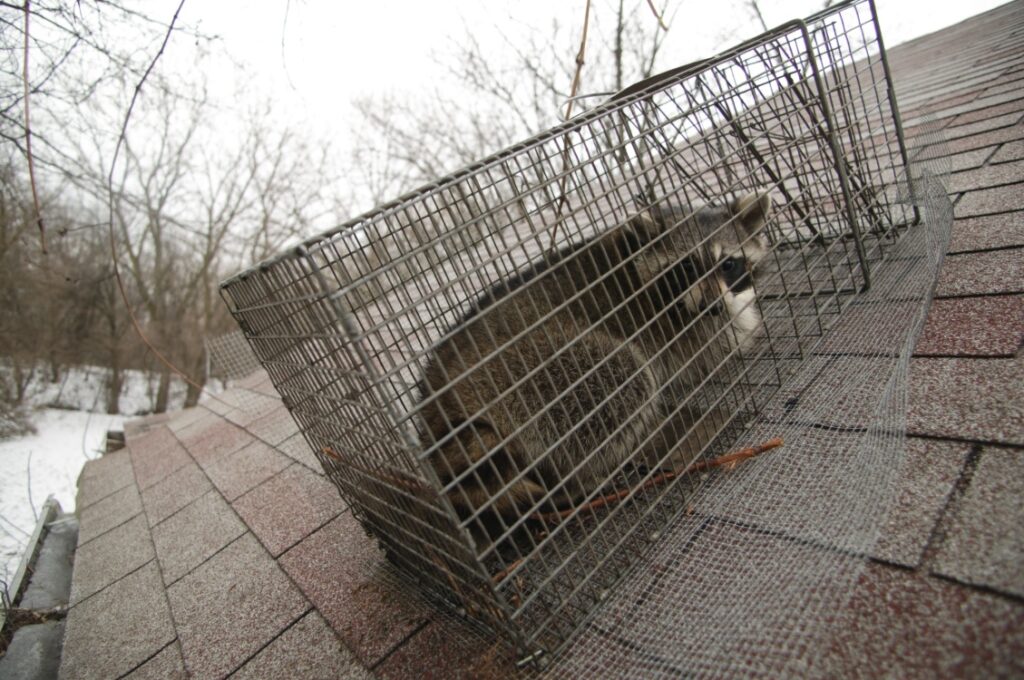
Wildlife can also carry diseases, such as rabies, that are transmittable to people or pets. Sometimes, wildlife kills or injures livestock or pets. Trapping can help protect public health and safety in these situations.
Traps are commonly used by nuisance wildlife control operators to remove individual animals that are causing a threat to human health and safety or damaging property.
Other Benefits
Here are a few of the other benefits of trapping:
- Provides funding for wildlife conservation. Trapping license fees paid by trappers are used for the protection of wildlife habitat and populations.
- Supports people who rely on trapping of wildlife for food or as a source of supplemental income.
- Provides needed goods. All parts of a furbearing animal can be used: the fur to make coats, gloves, mittens or trim on coats and sweaters; the meat for food; and the rest of the animal for other byproducts such as soap, tires or lubricants.
Science-based Regulations
State fish and wildlife agencies continually review and develop rules, regulations, education programs and capture methods to ensure the humaneness of trapping. Trappers and wildlife management professionals use these methods because they care about the welfare of wildlife and habitat conservation.
- Trapping is endorsed and controlled by trained wildlife professionals who dedicate their lives to ensuring the welfare of animals. The Wildlife Society (a professional society of wildlife management professionals) recently reaffirmed its position on the value of trapping to wildlife management.
- State wildlife agencies, working closely with the U.S. Department of Agriculture, state trappers’ associations, and experienced veterinarians, have spent over $40 million over the past 20 years to develop BMPs for trapping. These BMPs detail the most effective, efficient, and humane trapping tools and techniques.
- The Illinois Department of Natural Resources requires a trapper education course to ensure that trappers have the most up-to-date information on effective, efficient, and humane trapping tools and techniques.